
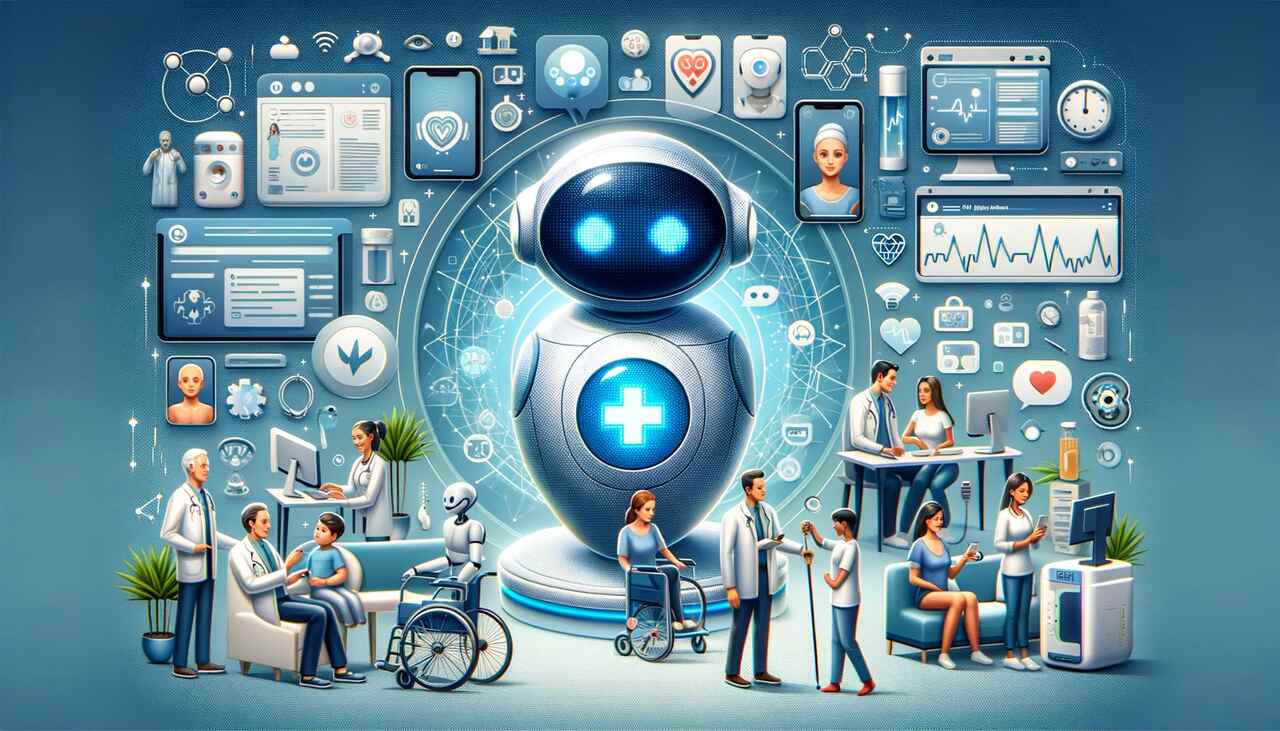
AI Chatbot for Clinics: Transforming Patient Communication and Healthcare Support
Healthcare is becoming increasingly digital, and patients now expect clinics to provide quick, convenient, and accessible communication. From asking about consultation timings to requesting appointment information, patients often need answers before they visit a clinic. Managing these enquiries manually can consume valuable staff time. This is where an AI chatbot for clinics can provide a practical solution.
An AI-powered chatbot can communicate with patients through digital channels, answer frequently asked questions, assist with appointment-related queries, and provide general information around the clock. When implemented responsibly, it can improve the patient experience while helping clinic staff focus on more important tasks.
What Is an AI Chatbot for Clinics?
An AI chatbot for clinics is a software solution designed to interact with patients through websites, messaging platforms, or other digital channels. It uses artificial intelligence and predefined information to understand questions and provide relevant responses.
For example, a patient may ask about:
Clinic timings
Doctor availability
Services offered
Appointment procedures
Location and directions
General preparation instructions
Contact information
Frequently asked questions
Instead of requiring staff members to respond to every routine enquiry manually, the chatbot can handle many common questions automatically.
Why Do Clinics Need AI Chatbots?
Clinic reception teams often receive a high volume of repetitive enquiries. During busy hours, responding to every message or phone call can become difficult.
An AI chatbot for clinics can help reduce this workload by providing instant responses to common questions.
Some potential benefits include:
24/7 availability
Faster responses to patient enquiries
Reduced workload for reception staff
Improved communication
Easier appointment assistance
Consistent answers to common questions
Better patient engagement
The chatbot can serve as an additional communication channel rather than replacing the human healthcare team.
Appointment Assistance
One of the most useful applications of an AI chatbot for clinics is appointment assistance.
Depending on how it is integrated, a chatbot can help patients understand:
Available consultation services
Doctor schedules
Appointment booking processes
Clinic timings
Cancellation or rescheduling procedures
Required information for booking
A chatbot can collect basic details and, when connected to an appropriate scheduling system, help guide patients through the appointment process.
For complex requests, the conversation can be transferred to a receptionist or clinic staff member.
Answering Frequently Asked Questions
Patients often ask similar questions repeatedly. An AI chatbot can provide immediate answers to frequently asked questions about clinic services and procedures.
For example, a dental clinic may receive questions about consultation services, while a dermatology clinic may receive enquiries about available treatments.
The clinic can create an approved knowledge base containing accurate information. The chatbot then uses this information to respond consistently.
Improving Patient Engagement
Patients may not always want to call a clinic during working hours. An AI chatbot can provide an additional way to interact with the clinic at a convenient time.
This can be particularly useful for basic enquiries outside regular operating hours.
Quick responses can help patients find the information they need and decide on their next step, such as booking a consultation or contacting the clinic directly.
AI Chatbots and Lead Management
For private clinics, an AI chatbot for clinics can also support lead management.
When someone visits a clinic website and asks about a service, the chatbot can collect basic contact information with appropriate consent and route the enquiry to the relevant team.
For example, it may collect:
Name
Contact details
Preferred appointment time
Service of interest
General enquiry
This information can then be passed to the clinic's authorised staff for follow-up.
Multilingual Patient Communication
Clinics serving diverse communities may benefit from multilingual chatbot capabilities. Patients can communicate in a language they are comfortable using, while the chatbot provides approved information in the selected language.
However, translations should be reviewed carefully, particularly for medical terminology, to reduce the risk of misunderstanding.
Important Healthcare Safety Considerations
An AI chatbot for clinics should not be treated as a replacement for a qualified doctor. Medical diagnosis and treatment decisions require professional clinical assessment.
The chatbot should clearly distinguish between general information and medical advice. For symptoms that could indicate an emergency, the system should direct the patient toward appropriate urgent medical care rather than attempting to diagnose the condition.
Clinics should also consider privacy, data security, access controls, consent, and applicable healthcare regulations when implementing an AI chatbot.
Integrating an AI Chatbot With Clinic Systems
A chatbot becomes more useful when it can work alongside existing clinic technology.
Depending on the available systems, it may be integrated with:
Appointment scheduling software
Customer relationship management systems
Clinic websites
Messaging platforms
Patient enquiry systems
Notification tools
Integration can reduce manual data entry and create a smoother communication process for both patients and clinic staff.
How to Choose the Right AI Chatbot Solution
Before implementing an AI chatbot for clinics, healthcare providers should evaluate their specific requirements.
Important considerations include:
Accuracy of information
Data privacy and security
Integration capabilities
Multilingual support
Appointment functionality
Human handover options
Reporting and analytics
Ease of updating information
Scalability
The chatbot should be trained or configured using accurate, clinic-approved information and regularly reviewed to ensure responses remain relevant.
Conclusion
Patient expectations are changing, and clinics need efficient ways to provide timely information and communication. An AI chatbot for clinics can help automate routine enquiries, support appointment processes, improve patient engagement, and reduce repetitive work for reception teams.
However, healthcare AI should always be implemented responsibly. A chatbot should support—not replace—qualified healthcare professionals and clinic staff. With appropriate privacy safeguards, accurate information, human escalation, and thoughtful integration, AI chatbot technology can become a valuable addition to modern clinic operations.
For clinics looking to improve patient communication while making everyday workflows more efficient, an AI chatbot can provide a scalable and convenient digital support solution.
Discussion
0 Thoughts shared